Avoid Fines: Addiscombe Parking & Loading Rules for Movers
Posted on 06/07/2026
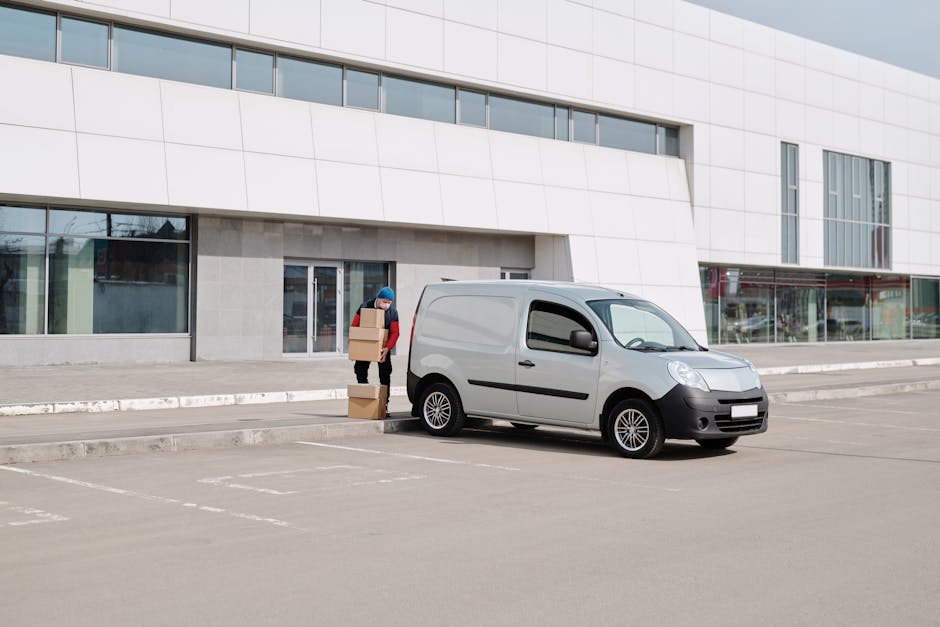
Avoid Fines: Addiscombe Parking & Loading Rules for Movers
If you are moving in or out of Addiscombe, parking can be the difference between a smooth, tidy move and an expensive headache. The street looks ordinary enough at first glance, but once a van turns up, the practical questions start fast: where can you stop, how long can you load, do you need permission, and what happens if the nearest space is already taken? This guide on Avoid Fines: Addiscombe Parking & Loading Rules for Movers breaks it all down in plain English, with the kind of detail that helps you avoid the usual last-minute panic.
Truth be told, most moving-day mistakes are not about lifting boxes. They happen at the kerb. A van in the wrong place, a loading delay, or a permit missed by a day can trigger a fine or slow the whole job down. So let's walk through the rules, the practical workarounds, and the small planning steps that make a big difference.
Why Avoid Fines: Addiscombe Parking & Loading Rules for Movers Matters
Parking for removals is rarely glamorous, but it is one of the biggest control points on move day. In Addiscombe, a short stretch of road can be the difference between a lawful loading stop and a vehicle that is unwelcome the moment it arrives. That matters because fines are not just annoying; they can slow loading, create stress for neighbours, and turn a well-planned move into a messy one.
There is also a wider cost. If your crew has to keep circling for space, you lose time. If the van ends up parked too far away, the carrying distance gets longer, which adds physical strain and increases the chance of damage. For bulky furniture, awkward stairs or a tight flat move, that extra distance is often the bit nobody budgets for. You notice it at 8:30 in the morning, when everyone is already a bit tired and the kettle has not yet done its job.
A proper parking plan also helps avoid complaints from neighbours and building managers. That is especially useful if you are moving from a flat or a shared property where access can be narrow and patience is limited. If you are also decluttering before the move, a guide like smart decluttering tips for a seamless move can help reduce the amount that needs loading in the first place. Less volume usually means less pressure on parking time. Simple, but effective.
How Avoid Fines: Addiscombe Parking & Loading Rules for Movers Works
The basic idea is straightforward: you want the van to stop legally, load safely, and leave without causing obstruction or overstaying any local restrictions. In practice, this means checking the type of street you are dealing with, identifying whether there are yellow lines, permit bays, shared-use bays or loading-only restrictions, and working out how long you realistically need on site.
Most moving jobs are not finished in five minutes. Even a light one-bedroom move can involve several trips, awkward items, and a bit of back-and-forth with the driver. That is why it helps to think in blocks of time rather than hopeful guesses. A very small van-stop window can work for a few boxes, but if you are handling sofas, wardrobes, white goods or office furniture, you need a plan with margin in it.
For many moves, the best approach is to treat parking as part of the move logistics, not an afterthought. In other words, the parking plan should be built before the lifting starts. If the property has tricky access, a piece like moving on Lower Addiscombe Road tight access solutions is worth reading because the same principle applies across local streets: know the constraints first, then work around them calmly.
Loading rules can also be affected by the time of day. Morning and late afternoon are often the busiest, so even if stopping is allowed, traffic and competition for space can make the move feel much harder. In some streets, a slightly earlier start makes all the difference. That is one of those details that sounds minor until you are stuck behind a delivery lorry wondering where the van is going to sit.
Key Benefits and Practical Advantages
Getting the parking side right gives you more than legal peace of mind. It improves the whole quality of the move.
- Less risk of fines: You reduce the chance of penalties from parking in a restricted place or overstaying a loading window.
- Faster loading: A legal space near the entrance shortens carrying time and keeps the schedule under control.
- Less damage: Shorter carries mean fewer knocks, fewer corners scraped, and fewer "who put the box there?" moments.
- Reduced stress: When the van is sorted, the rest feels more manageable. You can focus on the actual move, not the road outside.
- Better neighbour relations: A tidy, lawful setup makes you a better temporary neighbour. That matters more than people think.
There is also a commercial advantage if you are booking movers. Clear access details help the removal company quote more accurately. If parking is tight or time-sensitive, a provider can plan for it properly instead of discovering it on the day. If you want to see how service scope affects the overall move, services overview is a useful starting point for understanding what a complete move may involve.
Expert summary: In moving work, parking is not just a legal issue; it is a timing issue, a safety issue and a cost-control issue all at once. Handle it early and the rest of the day usually behaves itself.
Who This Is For and When It Makes Sense
This guidance is useful for pretty much anyone moving within Addiscombe, but it becomes especially important in a few common situations.
Home movers in terraced streets or flats
If you are moving from a terrace, maisonette or flat, street parking can be tight and the loading point may be awkwardly placed. Even if the property looks easy at first glance, the real issue often appears when the van arrives and all the nearby spaces are full. That is where planning saves the day.
Landlords, tenants and letting agents
If you manage a handover, you want the move to happen quickly and without complaints. Poor parking choices can lead to delays, angry phone calls, and avoidable friction with neighbours. No one needs that at the end of a tenancy.
Office and small business moves
Commercial moves usually have tighter timing, more equipment, and a stronger need to keep the street clear. If you are coordinating desks, files, IT equipment and chairs, the parking arrangement needs to be as organised as the packing. For that kind of move, office removals in Addiscombe can be a helpful reference point for thinking through access and timing.
Same-day or urgent moves
If the move is happening quickly, parking mistakes become easier to make. Urgent jobs leave less room for checking details, which is exactly why they need extra care. A quick read of urgent same-day moves in Addiscombe availability guide can help you understand why short notice and parking restrictions are such a tricky mix.
It also makes sense for anyone moving large or awkward items. A sofa, piano or heavy fridge is not something you want to haul from three streets away because the closest stop was not thought through. That is the kind of thing that makes everyone go quiet for a moment.
Step-by-Step Guidance
If you want a practical way to avoid fines and keep the day moving, use this simple sequence.
- Check the street layout before move day. Look for yellow lines, bay markings, access restrictions, school-time restrictions, or obvious no-stopping signs. If you do not know the street well, do a proper visual check rather than relying on memory.
- Estimate how long loading will take. Be honest here. Five minutes is for a few bags, not a full household. Factor in stairs, narrow hallways, and fragile items.
- Identify the best stopping point. Sometimes the closest space is not the best one. A slightly longer carry from a legal bay is often far better than a risky stop outside the front door.
- Prepare the property to reduce loading time. Dismantle what you can, box items clearly, and keep paths open. Good packing habits are boring right up until they save you an hour. If you want ideas, organisational hacks for packing up your house seamlessly is a useful companion read.
- Confirm whether permission or a permit is needed. Rules can vary by bay type, vehicle size and duration. If a permit is relevant, sort it early. Leaving it until the night before is how people end up doing frantic admin at 11:15 pm with a slightly dead phone battery.
- Brief the driver or crew. Everyone should know where the van is meant to stop, what the backup plan is, and how long the window is.
- Keep the site moving. Do not let boxes sit in the hallway while someone goes hunting for tape or coffee. Loading works best when it is a steady rhythm.
- Leave the space clean and clear. A neat exit reduces complaints and keeps the day on the right side of civilised.
If the move includes cleaning handover work, you may also like ensure a seamlessly clean transition to a new home. It fits naturally with a well-run moving day because tidy departures tend to go hand in hand with fewer surprises.
Expert Tips for Better Results
After enough moves, you start to notice the same patterns. The best ones are usually the least dramatic. Here are the habits that help most.
- Arrive early, not just on time. In a busy area, the first legal space you see may not still be there ten minutes later.
- Use the shortest legal carry, not the closest illegal one. Sounds obvious. Still worth saying.
- Keep bulky items grouped together. This avoids repeated trips to different parts of the van and makes loading more efficient.
- Protect awkward items before they hit the street. A mattress, piano or sofa needs care before, during and after the carry. If you are moving a bed or mattress, protecting your bed and mattress during a move has practical advice that fits neatly into this stage.
- Think about the weather. A damp curb, drizzle, or slippery pavement can turn a decent plan into a slow one. Typical British day, really.
- Keep the van's rear access clear. Repeated opening and closing around tight parking can become clumsy fast if the space is crowded.
If your move includes especially heavy furniture, it is worth brushing up on lifting technique too. harness the power of kinetic lifting and elevate your skills solo heavy object lifting are useful reads when you want the practical side of handling weight without making the job harder than it needs to be.
And one more thing: if a van space looks "probably fine," treat that with suspicion. Probably fine is not a category you want to pay for later.
![A circular traffic sign featuring a black letter 'P' crossed out with a red diagonal line, indicating no parking. The sign is mounted on a silver metal pole against an overcast sky. The image relates to parking restrictions in Addiscombe, important for home relocation and furniture transport logistics, and reflects considerations for loading areas and parking rules that [COMPANY_NAME], such as Man with Van Addiscombe, must navigate when planning moves or delivery schedules in the area.](/pub/blogphoto/avoid-fines-addiscombe-parking-loading-rules-for-movers2.jpg)
Common Mistakes to Avoid
Most parking fines during moves are avoidable. The usual errors are predictable once you know what to look for.
- Assuming loading is always allowed everywhere. It is not. Markings and local restrictions matter.
- Leaving the parking check until the van is already outside. That creates pressure and poor decisions.
- Underestimating how much time loading really takes. One big wardrobe can set the tone for the whole morning.
- Blocking driveways or bin access. Even if you think you will be quick, obstruction can still lead to complaints or enforcement.
- Ignoring height, width or turning limits. Some streets are simply awkward for larger vehicles, especially when there are parked cars on both sides.
- Forgetting the return trip. A legal stop at the start is great, but if you leave and come back later, the same space may no longer be available.
- Assuming the crew will figure it out on the day. Good crews adapt, yes, but they are not mind readers.
One practical mistake people rarely mention is overpacking the van near the start of the job. If the loading layout is chaotic, the team may waste time shifting items around just to reach something buried inside. That slows everything down and pushes the parking window closer to the edge.
Tools, Resources and Recommendations
You do not need a big kit to manage this properly, but a few simple tools make a surprising difference.
- Printed notes or a phone checklist: useful for confirming bay type, access point and any time limits.
- Photo references: a quick picture of the street, entrance and nearest parking area can help if you need to brief someone else.
- Labels and colour-coded tape: these speed up loading and reduce backtracking inside the property.
- Furniture covers and blankets: particularly useful when carrying items from a longer parking distance.
- Boxes with clear room labels: they make van loading more organised, which shortens the stop.
If you need a better sense of what kind of vehicle or service suits your move, removal van options in Addiscombe, man with a van Addiscombe and man and van Addiscombe can help frame the decision. The important part is matching the vehicle size and loading setup to the street conditions, not just picking the biggest van available.
For bigger moves or delicate loads, the right approach is often a blend of planning and professional handling. That is especially true for items like pianos, antiques, or bulky sofas. If that sounds familiar, it is worth reading the importance of professional piano movers and protect your sofa investment with safe long-term storage tips. Different situation, same principle: protect the item and protect the schedule.
Law, Compliance, Standards, or Best Practice
Without pretending every street is governed the same way, it is safe to say that moving vehicles must comply with local parking restrictions, traffic signs, and any applicable permit arrangements. In the UK, that means you should not assume that a loading activity automatically overrides a parking restriction. It may be allowed in some places, under some conditions, for limited periods. But the details matter, and they matter a lot.
Best practice is to verify the street conditions directly, keep any required permission in place, and make sure the vehicle does not obstruct pedestrians, driveways or emergency access. If you are uncertain, treat that uncertainty seriously rather than hoping nobody notices. Hope is not a permit, sadly.
For removals specifically, it is also sensible to plan around duty of care. That includes avoiding unnecessary damage to pavements, property frontage, and neighbouring cars. Good movers tend to think in those terms automatically. It is not only about avoiding penalties; it is about keeping the street usable and the move respectful.
Local permit rules and council processes can change, so a recent briefing is always wiser than a memory from "the last time we moved, ages ago." A useful related read is Croydon Council permits for Addiscombe removals explained, which fits well if your route involves permit-sensitive streets or controlled parking.
Options, Methods, or Comparison Table
Not every move needs the same parking strategy. The best option depends on the property, the size of the van and how much time you have.
| Approach | Best for | Pros | Drawbacks |
|---|---|---|---|
| Quick curbside loading | Small moves with short loading time | Fast, simple, minimal walking | High risk if restrictions are misunderstood |
| Reserved/legal bay planning | Medium household or flat moves | More stable access, better control | Requires more checking in advance |
| Permit-based setup | Longer jobs, tighter streets, larger vans | Clearer compliance, easier coordination | More admin, may need lead time |
| Remote parking with trolley runs | Awkward streets or full roads | Flexible when immediate space is unavailable | Slower, more physical effort, more handling time |
In practice, many moves use a combination of these. A van may start with a nearby legal stop, then shift to a safer fallback bay if another vehicle arrives. That is normal. The trick is to plan the fallback before you need it. If you need a more complete sense of how different move types affect access, house removals Addiscombe, flat removals Addiscombe and student removals Addiscombe can help you think about the scale of the move you are dealing with.
Case Study or Real-World Example
Picture a Saturday morning move from a first-floor flat in Addiscombe. The road looks manageable, but there are already several cars parked tightly on both sides, and the front entrance sits just beyond a narrow stretch of kerb space. The first instinct is to stop close and get on with it. Tempting. Very tempting.
Instead, the mover checks the route first, spots that the nearest space would leave the van awkwardly positioned, and chooses a slightly farther legal spot that gives enough room for the rear doors to open safely. It adds a short extra walk, yes, but it avoids blocking neighbours, keeps the loading steady and reduces the chance of a penalty. The result is calmer, not dramatic. Which is exactly what you want.
Now compare that with the other version. The van stops in the most convenient-looking gap, loading starts, someone leaves a box in the walkway while fetching tape, and a passing driver complains. The crew gets rushed. The schedule slips. Nobody is happy. It's one of those tiny chain reactions that starts with one shortcut and ends with everybody checking their watch.
The lesson is not that every move needs military precision. It is that parking choices ripple outward. One good decision at the start can make the whole day lighter.
Practical Checklist
Use this before the van arrives.
- Confirm the exact collection and loading address.
- Check road markings, bay restrictions and nearby access points.
- Estimate how long loading will realistically take.
- Decide where the van should stop first and what the fallback is.
- Make sure bulky items are ready to go.
- Label boxes clearly so loading stays organised.
- Separate fragile items from general furniture.
- Keep stairways and hallways clear.
- Confirm whether a permit or special parking arrangement is needed.
- Brief anyone helping with the move on the plan.
- Have a backup space in mind if the first one is taken.
- Keep the departure tidy and do a final check for dropped items.
If you are still in the planning stage and want to reduce stress, a little preparation goes a long way. A tidy home, a clear access route and a sensible van position often save more time than one extra helper ever could. Funny how that works.
Conclusion
Avoiding fines in Addiscombe is not about being fussy; it is about respecting the local road layout, protecting your schedule and making the move less chaotic. When parking and loading are planned properly, everything else becomes easier: the lifting, the carrying, the timing and even the mood on the day.
The safest approach is simple enough. Check the street, plan the stop, estimate the time honestly, and keep a backup option ready. If the property is awkward, the van is large or the move is urgent, treat parking as a core part of the job rather than a side issue. That mindset saves money, saves time and keeps everyone a bit calmer, which is no small thing on moving day.
Get a free quote today and see how much you can save.
And if you are doing this in Addiscombe, with all the usual narrow streets, shared access and moving-day noise, a careful plan really does make the difference. One thoughtful stop on the kerb can save a whole afternoon.